
Platelet-Rich Plasma (PRP) Injection is a natural treatment that uses your own blood to heal and repair tissues. A small amount of blood is taken, processed to concentrate platelets, and then injected into the affected area. These platelets release growth factors that boost healing, reduce pain, and improve recovery. PRP is commonly used for joint pain, sports injuries, hair loss, and skin rejuvenation. Since it uses your own blood, it is considered safe with minimal side effects.,Hair & Skin Care
What is a PRP injection (platelet-rich plasma injection)?
A Platelet-Rich Plasma (PRP) injection is a medical treatment that uses a concentrated form of a patient’s own blood to promote natural healing. In this procedure, a small sample of blood is taken and processed to separate the plasma, which is rich in growth factors and platelets. This plasma is then injected directly into the targeted area, such as joints, tendons, ligaments, muscles, or even the scalp for hair restoration. PRP injections help reduce inflammation, speed up tissue repair, and stimulate cell growth, making them widely used in orthopedics, sports medicine, dermatology, and cosmetic treatments. Since PRP is prepared from the patient’s own blood, the risk of allergic reactions or side effects is very minimal, making it a safe and natural therapy for healing and regeneration. When you choose us, you will experience the difference in healthcare services
What are the purposes of PRP injections?
Platelet-Rich Plasma (PRP) injections are used for several medical and cosmetic purposes because they utilize the body’s own platelets to stimulate healing and regeneration. The main purposes include:
Hair Restoration – To promote hair growth in people with thinning hair or early-stage hair loss (especially androgenetic alopecia).
Skin Rejuvenation – Improves skin texture, tone, and elasticity; often used in facials (sometimes called the “vampire facial”).
HAIR LOSS -Stimulates dormant hair follicles to encourage new growth.
HAIR SLOW -Slows down hair shedding and reduces hair loss.
Improves overall scalp health, making it more supportive for hair growth.
These points are specific to PRP for hair loss treatment.

PRP Centrifugation Machine
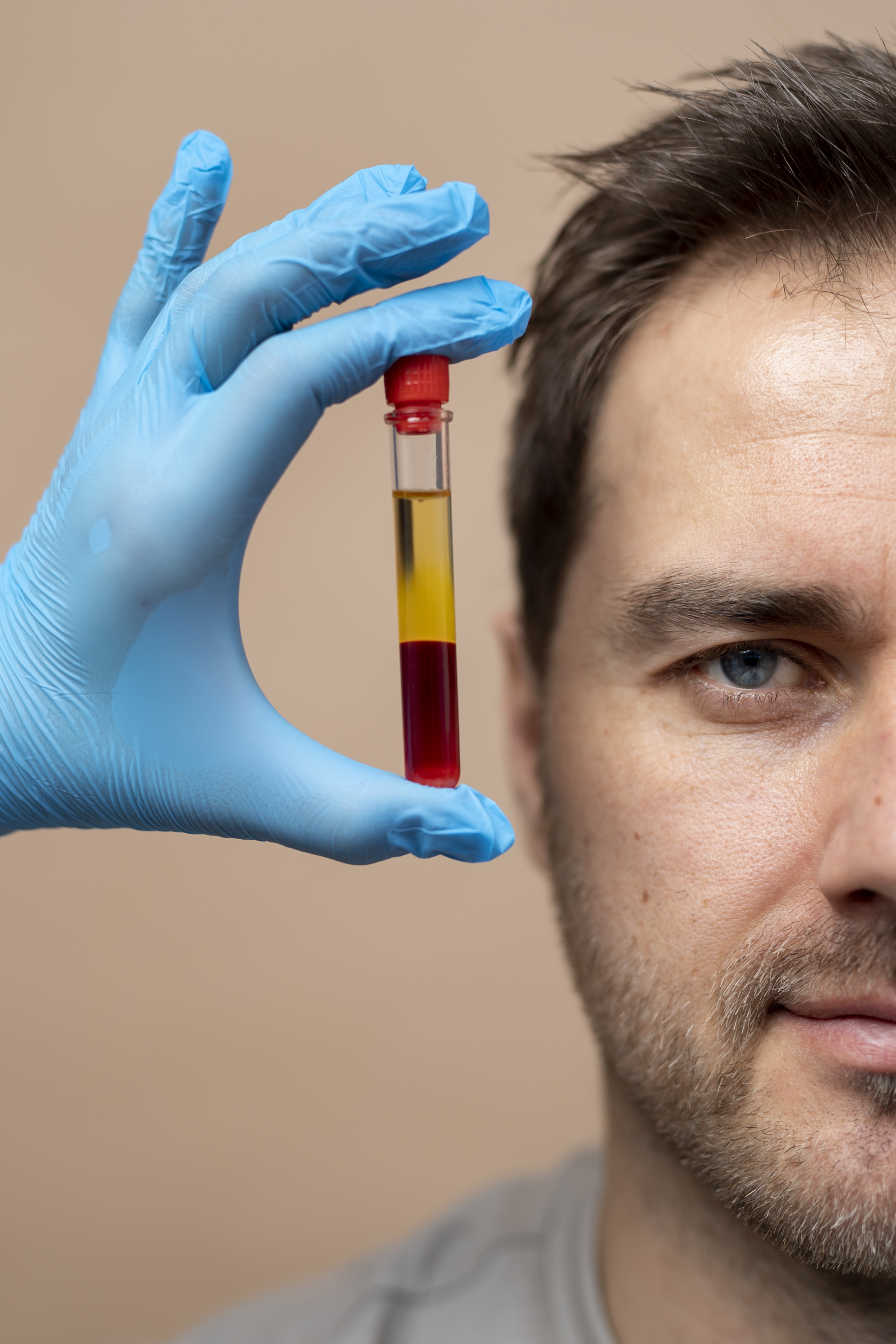
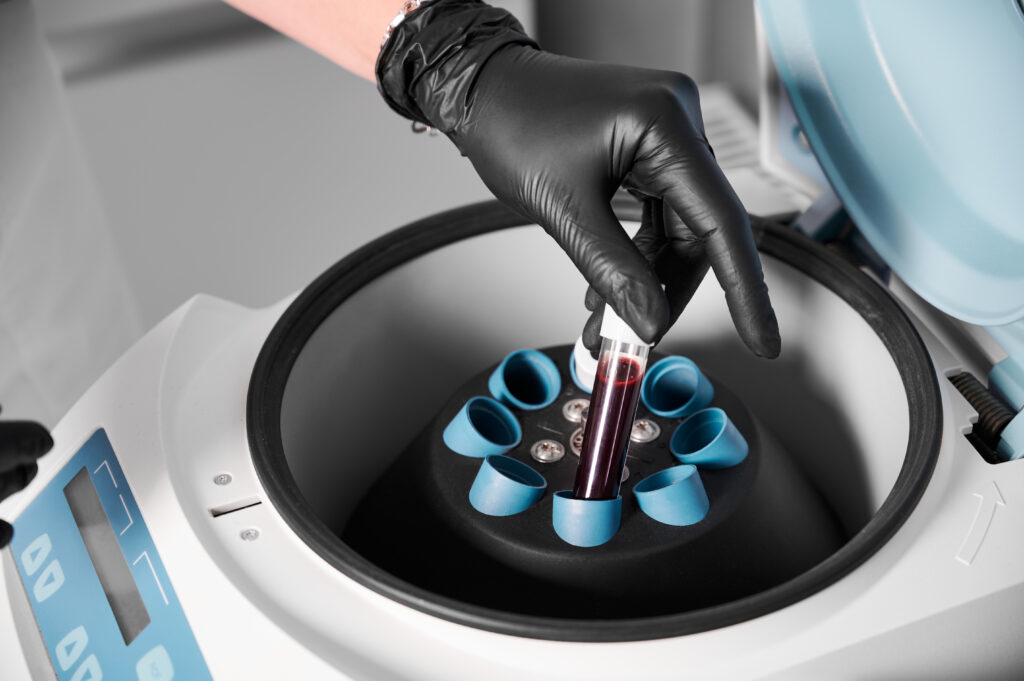
A centrifugation machine for PRP (Platelet-Rich Plasma) is a medical device used to separate the vital components of blood needed for PRP therapy. In this process, a small amount of the patient’s blood is collected in a sterile tube and placed inside the centrifuge, where it is spun at high speed. This rotation separates the blood into layers—red blood cells, platelet-poor plasma, and the platelet-rich plasma layer. The PRP, which contains a high concentration of platelets and growth factors, is then extracted for use in treatments such as hair restoration, skin rejuvenation, and healing therapies. These machines are specially designed with precise settings to maintain sterility, ensure maximum platelet yield, and provide consistent results, making them an essential tool in aesthetic and regenerative medicine.
PRP therapy process
dddddghgTrusted SourceTrusted Source
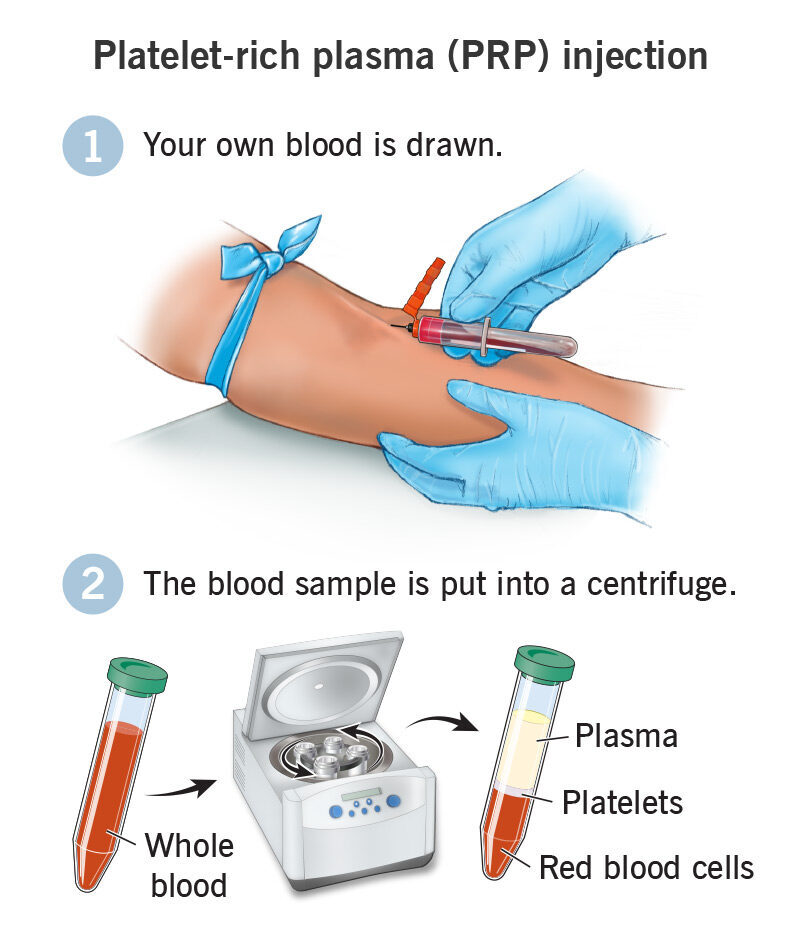
PRP therapy injects platelet-rich plasma cells into the affected area of your scalp. aPlasma is the liquid part of your blood. Your blood is also made up of platelets, white cells, and red blood cells.
STEP 1
Between 10 to 20 milliliters (ml) of your blood is drawn, typically from your arm, and put into a centrifuge. This is a machine that spins rapidly to separate fluids of different densities.
STEP 2
After about 10 minutes in the centrifuge, your blood will have separated into three layers:
- platelet-rich plasma
- red blood cells
STEP 3
The platelet-rich plasma is drawn up into a syringe and then injected into areas of the scalp that need increased hair growth.
According to a,there isn’t a consensus on the frequency and duration of PRP therapy for hair loss. For example, the studies in the review found benefits for hair growth with PRP treatment ranging from 4 injections every 15 days for 3 months to 3 monthly injections for 6 months.
The authors concluded that the most important part of PRP is the number of platelets. According to a higher platelet concentrations in PRP have a more pronounced effect on hair density, hair follicle diameter, and terminal hair density.
.How Does PRP Work for Hair Loss?
PRP (Platelet-Rich Plasma) therapy works by using the patient’s own blood to promote natural hair growth. A small amount of blood is drawn and processed to separate the plasma, which is rich in platelets and growth factors. This concentrated plasma is then injected into the scalp at thinning or balding areas. The growth factors in PRP help stimulate inactive hair follicles, improve blood circulation, and encourage new hair growth. It also strengthens existing hair, making it thicker and healthier. Over time, patients notice reduced hair shedding and increased density. PRP is a safe, natural, and effective treatment for managing hair loss.
.How Does PRP Work for Hair Loss?
PRP (Platelet-Rich Plasma) therapy works by using the patient’s own blood to promote natural hair growth. A small amount of blood is drawn and processed to separate the plasma, which is rich in platelets and growth factors. This concentrated plasma is then injected into the scalp at thinning or balding areas. The growth factors in PRP help stimulate inactive hair follicles, improve blood circulation, and encourage new hair growth. It also strengthens existing hair, making it thicker and healthier. Over time, patients notice reduced hair shedding and increased density. PRP is a safe, natural, and effective treatment for managing hair loss.
.Who’s a Good Candidate for PRP?
A good candidate for Platelet-Rich Plasma (PRP) therapy is typically someone experiencing early to moderate hair thinning or hair loss rather than complete baldness. It works best for people with conditions like androgenic alopecia (male or female pattern baldness) or thinning hair caused by weakened hair follicles. Individuals who are generally healthy, without serious medical conditions such as uncontrolled diabetes, blood disorders, or active infections, are more suitable for the treatment. Non-smokers and those who are not on blood-thinning medications tend to respond better, as these factors affect healing and platelet activity. PRP is also a good option for people looking for a natural, minimally invasive solution to stimulate hair growth without surgery.
.Post Treatment Care
Post-treatment care plays an important role in ensuring the best results and faster recovery. After the procedure, it is advised to avoid touching or scratching the treated area to prevent irritation or infection. Patients should protect the skin or scalp from direct sunlight and use gentle, recommended products for cleansing. Strenuous activities, sweating, and heat exposure should be minimized for at least 24–48 hours. Following the aftercare instructions provided by the specialist helps in reducing side effects and promoting healing. Proper care also supports long-lasting and effective treatment outcomes.
.Hair LOSS
Hair loss is a common condition that affects both men and women, often caused by genetics, hormonal changes, stress, nutritional deficiencies, or medical conditions. It can appear gradually as thinning hair, receding hairlines, or sudden shedding, impacting self-confidence and appearance. Common types include male and female pattern baldness, alopecia areata, and telogen effluvium. Treatments vary depending on the cause and may include medications like Minoxidil or Finasteride, PRP therapy, hair transplants, or lifestyle changes to improve scalp and hair health. Early diagnosis and proper care can help slow down hair loss and promote regrowth.
.Risks of PRP for hair loss
PRP therapy for hair loss is generally considered safe, but like any medical procedure, it carries some risks. Patients may experience mild side effects such as redness, swelling, or tenderness at the injection site. In rare cases, infection, injury to blood vessels, or scar tissue formation may occur. Some people may also feel temporary dizziness or headache after the treatment. Choosing a qualified professional reduces the chances of complications and ensures safer results.